As an Amazon Associate, SignalWorth earns from qualifying purchases. This helps support our research and testing at no additional cost to you.
Introduction
How we evaluated foam rollers:
We reviewed general usage practices, fitness guidance, and widely accepted recovery techniques related to self-myofascial release. Because results vary by user and technique, we focus on practical benefits, limitations, and real-world usability for beginners.
Foam rollers are one of the simplest and most affordable tools used for muscle recovery, but many people aren’t exactly sure how they work—or whether they actually help.
You’ve probably seen people using them at the gym or during warm-ups, slowly rolling over muscles to relieve tension.
In this guide, we’ll explain what a foam roller is, how it works, its benefits, and whether it’s worth using—especially for beginners.
What Is a Foam Roller?
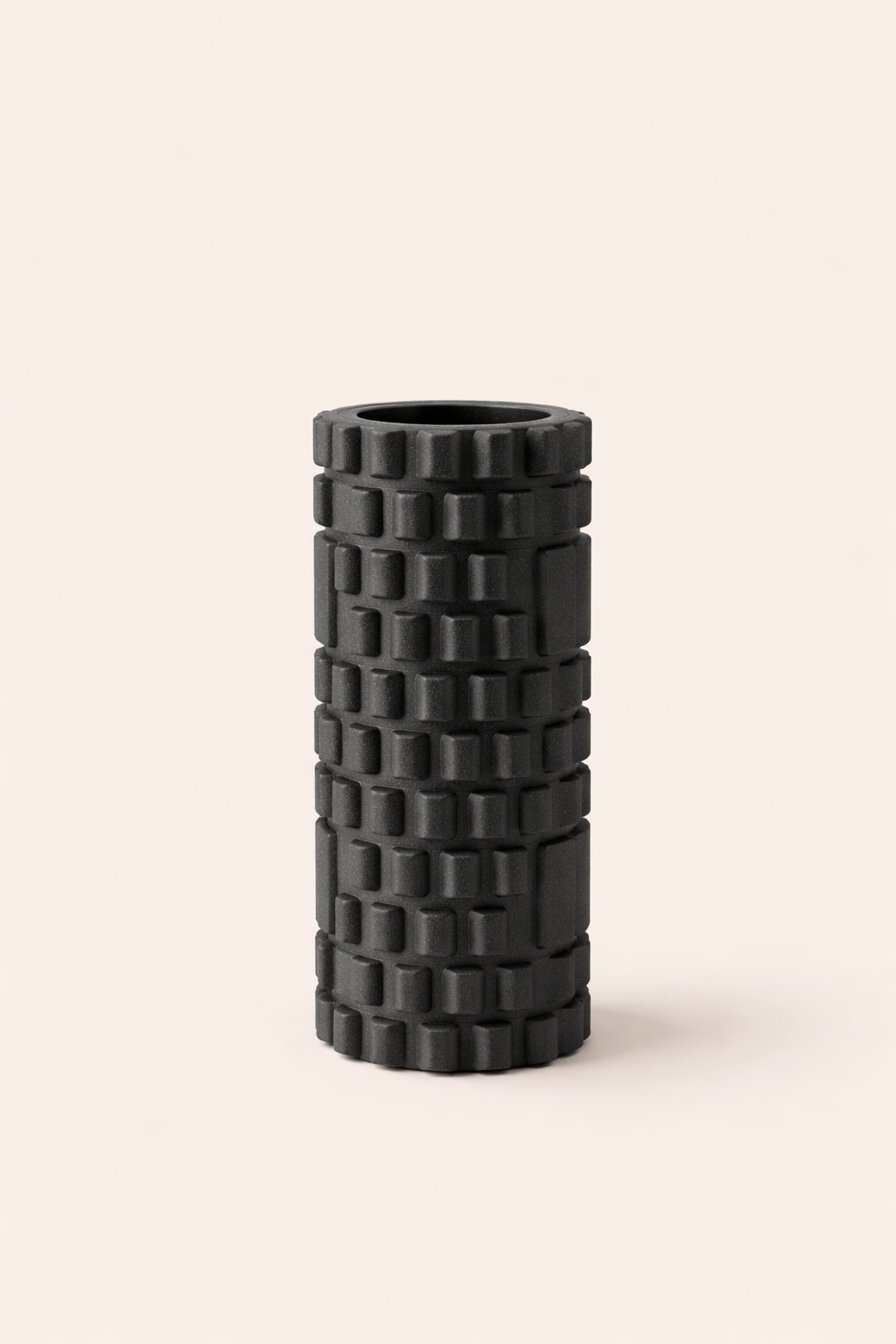
A foam roller is a cylindrical tool made of dense foam used to apply pressure to muscles.
It works by using your body weight to create tension against the roller, helping release tight areas in muscle tissue.
This technique is commonly referred to as self-myofascial release.
How Foam Rolling Works
Foam rolling applies sustained pressure to muscles and connective tissue.
This can help:
- Reduce muscle tightness
- Improve blood circulation
- Increase flexibility
- Support recovery after exercise
Unlike powered tools, foam rolling is completely manual and controlled by your movement and positioning.
Benefits of Foam Rollers
Foam rollers are popular because they are:
✔ Affordable
One of the lowest-cost recovery tools available
✔ Simple to Use
No batteries, settings, or attachments required
✔ Effective for Large Muscle Groups
Great for legs, back, and glutes
✔ Widely Accessible
Used in gyms, physical therapy, and home workouts
Do Foam Rollers Actually Work?
Research and user experience suggest that foam rolling can help improve flexibility and reduce muscle soreness when used consistently.
However, results can vary depending on technique and consistency.
Foam rollers are not a replacement for proper training or recovery habits—but they can be a helpful addition.
Foam Roller vs Massage Gun
Foam rollers and massage guns serve similar goals but work differently.
Foam rollers:
- Provide broad pressure
- Require body movement
- Are lower cost
Massage guns:
- Offer targeted relief
- Require less effort
- Provide adjustable intensity
For a full side-by-side comparison, see our detailed guide on massage gun vs foam roller to understand which option is best for your recovery needs.
Who Should Use a Foam Roller?
Foam rollers are ideal for:
- Beginners starting recovery routines
- Athletes focusing on flexibility
- People looking for a low-cost option
- Anyone wanting full-body muscle work
Conclusion
Foam rollers are simple, effective tools that can support muscle recovery, improve flexibility, and reduce tension.
While they require some technique and effort, they remain one of the most accessible recovery tools available.
If you’re considering more targeted recovery tools, you can explore our guide to the best massage guns for beginners, where we compare ease of use, noise levels, and overall value.

SignalWorth Editorial Team consists of experienced product researchers and writers focused on in-depth comparisons, testing analysis, and consumer education. Our reviews are based on hands-on evaluation, technical specifications, industry research, and real-world use cases. We prioritize transparency, editorial independence, and reader trust in every guide we publish.