As an Amazon Associate, SignalWorth earns from qualifying purchases. This helps support our research and recommendations at no additional cost to you.
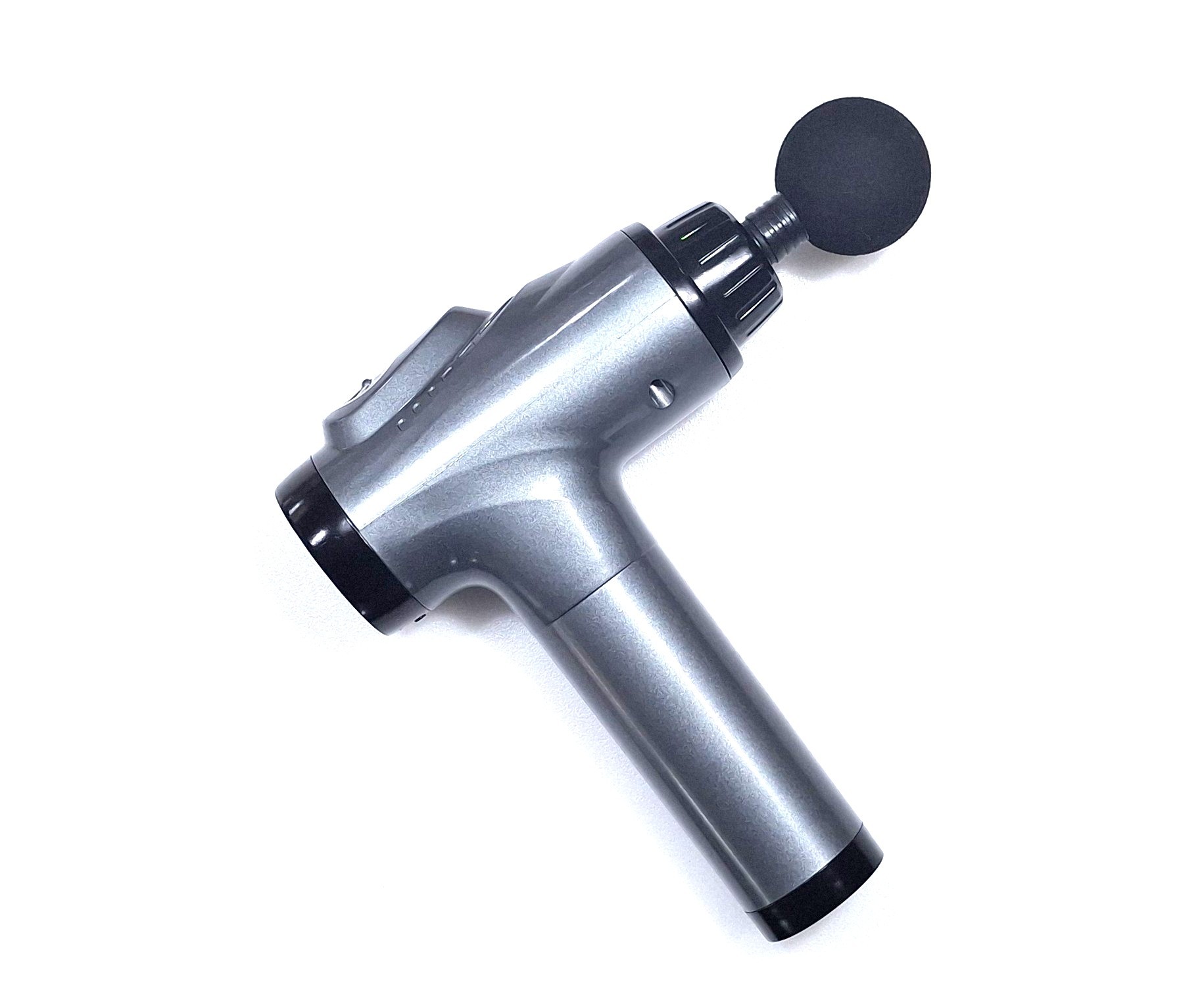
Massage guns have become a common tool in gyms, homes, and recovery routines. They’re often marketed as safe, easy-to-use devices for reducing muscle tightness and supporting recovery. But an important question remains: are massage guns actually safe for everyone?
In general, massage guns are considered low risk when used properly by healthy adults. However, safety depends on technique, intensity, individual health conditions, and understanding when not to use one. This guide explains potential risks, who should avoid percussion therapy, and how to use a massage gun responsibly.
If you’re also wondering whether percussion therapy delivers measurable results, we review what current research says about massage gun effectiveness in a separate analysis.
Are Massage Guns Generally Safe?
For most healthy individuals, short sessions using moderate intensity are typically well tolerated. Reported side effects are usually mild and temporary, such as:
- Minor soreness
- Temporary muscle sensitivity
- Mild skin redness
Massage guns are not classified as medical devices, and they are not intended to diagnose, treat, or cure medical conditions. Instead, they are commonly used as comfort tools to support warm-up or cooldown routines.
Safety largely depends on:
- Avoiding excessive pressure
- Limiting time on one area
- Staying away from sensitive regions like joints and bones
- Listening to discomfort signals
Used correctly, massage guns are generally considered safe for routine use in healthy adults.
If you’ve determined that a massage gun is appropriate for your needs, you can compare beginner-friendly options in our 2026 buyer guide, where we break down performance, noise levels, and ease of use.
Safe Massage Gun Options for Beginners
If you’re new to massage guns and want to use one safely, choosing a beginner-friendly model is important. Look for devices that are lightweight, easy to control, and not overly aggressive.
One option we recommend for safe, controlled use is the Theragun Relief. It’s designed for simplicity and comfort rather than deep, intense pressure, making it a good fit for first-time users.
Check price & availability on Amazon →
This type of model allows you to start gently and learn how your body responds, reducing the risk of overuse or discomfort compared to more aggressive devices.
Who Should Avoid Using a Massage Gun?
While many people can use massage guns comfortably, certain individuals should avoid them or consult a healthcare professional first.
People With Blood Clotting Disorders or DVT
IIndividuals with a history of deep vein thrombosis (DVT) or other clotting disorders should avoid percussive devices. Because percussion therapy applies repeated mechanical force to tissue, use should only occur with medical clearance.
Individuals With Recent Injuries or Fractures
Massage guns should not be used directly on:
- Fresh muscle tears
- Sprains
- Fractures
- Swollen or inflamed tissue
Aggressive stimulation can aggravate healing tissue.
People With Nerve Sensitivity or Neuropathy
Those with reduced sensation may not accurately feel excessive pressure, increasing the risk of tissue irritation or injury.
Individuals With Circulatory Conditions
If you have vascular disorders or compromised circulation, consult a healthcare provider before use.
Pregnancy (Certain Areas)
During pregnancy, deep percussive therapy on the lower back or abdomen should be avoided unless approved by a medical professional.
If there is uncertainty about an existing health condition, seeking medical guidance is the safest approach.
Potential Side Effects of Improper Use
Most negative experiences with massage guns are linked to incorrect technique rather than the device itself.
Possible side effects include:
- Bruising
- Increased soreness
- Temporary numbness
- Skin irritation
These issues often result from:
- Using high intensity too quickly
- Staying too long on one spot
- Applying direct pressure to bones or joints
- Using the device on inflamed areas
More intensity does not necessarily produce better results. In many cases, lighter pressure and shorter sessions are more comfortable and effective.
How to Use a Massage Gun Safely
To minimize risk, follow these general guidelines:
- Start on the lowest speed setting
- Use the device for 30–90 seconds per muscle group
- Keep the massage head moving slowly — don’t press and hold
- Avoid joints, bones, and the front of the neck
- Stop immediately if sharp or worsening pain occurs
- Use gentle pressure rather than forcing the device into the muscle
For beginners, it may help to first review our guide explaining what a massage gun is and how it works before building a routine.
Is It Safe to Use a Massage Gun Every Day?
For healthy individuals, light daily use is generally tolerated when applied thoughtfully. However:
- Avoid aggressive daily use on the same muscle group
- Allow recovery time for sensitive areas
- Adjust frequency if soreness increases
Like any recovery tool, moderation matters. Listening to your body is more important than following a rigid schedule.
Massage Guns vs Professional Medical Care
Massage guns are not a substitute for:
- Physical therapy
- Injury rehabilitation
- Professional diagnosis
- Medical treatment
They are best viewed as supportive tools within a broader routine that may include stretching, movement, hydration, and rest.
If pain persists or worsens, consulting a healthcare professional is recommended.
Final Verdict: Are Massage Guns Safe?
Massage guns are generally safe when used properly by healthy adults. Most risks are linked to excessive intensity, improper technique, or underlying medical conditions.
They are not medical solutions, but they can serve as convenient comfort tools when used thoughtfully and in moderation.
Understanding who should avoid them — and how to use them responsibly — is key to minimizing risk and setting realistic expectations.
If you’ve determined that a massage gun is appropriate for your needs, you can compare beginner-friendly options in our 2026 buyer guide, where we break down performance, noise levels, and ease of use.
You can also compare massage guns with foam rollers in our detailed guide to understand which option may be better for your situation.

SignalWorth Editorial Team consists of experienced product researchers and writers focused on in-depth comparisons, testing analysis, and consumer education. Our reviews are based on hands-on evaluation, technical specifications, industry research, and real-world use cases. We prioritize transparency, editorial independence, and reader trust in every guide we publish.